Inclusive Education
Written by: Fleur O’Connor
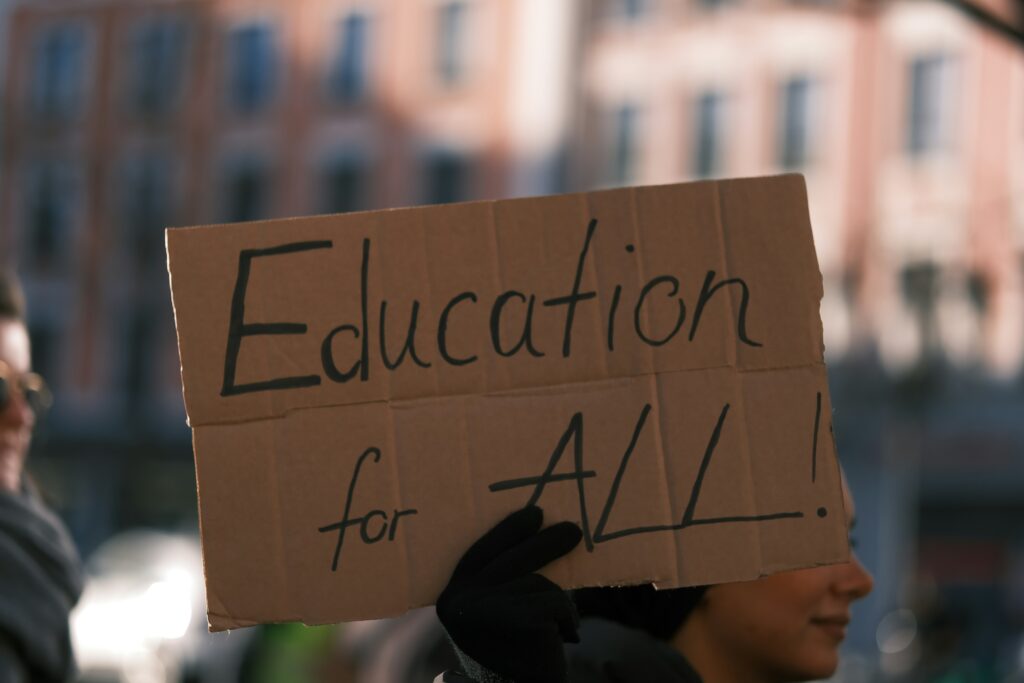
As Clement & Peter (2020) explain, UDL promotes learning in the classroom by designing courses to be accessible for the widest range of abilities. This highlights the idea that inclusion is about making education accessible and supportive for all learners regardless of their backgrounds and needs. From a young age, I struggled in school. I spent a lot of time and effort studying for tests and re-teaching myself material, but it never seemed to show in my grades. It wasn’t until grade 5, when I was diagnosed with a learning disability that I finally understood what was happening for me. From that point on, it became incredibly important to me that there was inclusivity in the classroom. I deserved to have an equal opportunity to thrive and see the same success as my classmates.
I feel as though inclusion in education must honour students where they are at, this not only gives each and every student a fair opportunity to learn but it honours and recognizes those students who may work extra hard and struggle a little bit more. While writing this, I wanted to ensure I included a video that captures how I feel about inclusion in education. The following video does exactly that, it highlights the importance of ensuring all students regardless of their backgrounds, abilities, or disabilities have access to meaningful learning experiences in a supportive environment.
The Power of Inclusive Education by EDUCAUSE licensed under CC by 4.0
Fast forward to today, I’m in my 5th and final year of university and my understanding of inclusion has shifted and evolved. In the past, education and learning often felt like a chore, something I was obligated to do rather than something I enjoyed. A lot of the material I was learning didn’t interest me, and struggling to keep up made it even harder. It wasn’t until my 2nd year in university when I switched to a sociology major that I began to really enjoy what I was learning. I’ve been able to apply many of the skills I developed growing up to my university courses, and I’ve noticed a huge difference, not only my comprehension but my ability to advocate for myself. The Centre for Accessible Learning (CAL) has played an important role in supporting me and ensuring I receive the accommodations I need to succeed. This aligns with my definition and understanding of inclusion in education, everyone should have access to the resources that help us reach our full potential.
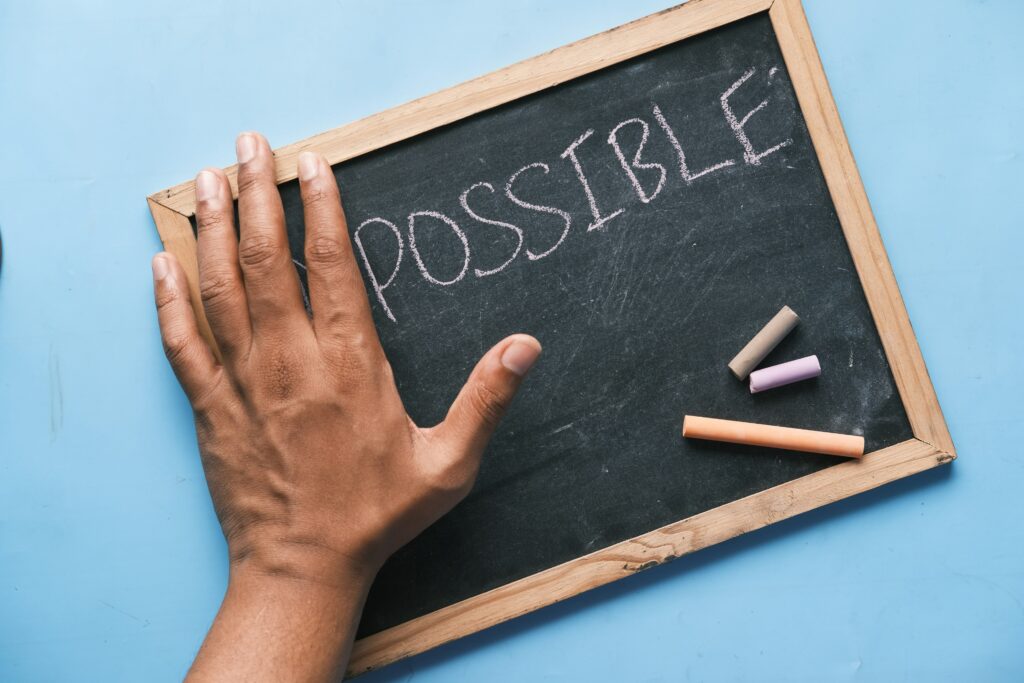
As I look back on my journey, inclusion has taught me so much; it is something that can change a student’s entire learning experience. I feel very grateful that I was able to grow up in an inclusive and supportive education, but this does not apply to everyone. It is important that we continue to have this conversation and educate others on inclusion and its importance in education.